Visas, Seasons And Cultural Considerations
Two constraints quietly dictate the shape of most long Asia routes more than anything else: how long you're allowed to stay in a given country, and what the weather is doing there while you're planning to be in it. Get both wrong and the rest of the plan doesn't matter much.
Types Of Entry
Entry arrangements generally fall into a few categories. Visa-free entry allows a fixed period of stay with no application at all, based purely on nationality. Visa on arrival requires a short application and fee paid at the border or airport itself. An e-visa is applied for online before travel and issued electronically, usually processed faster than a full embassy application. A sponsored or business visa is arranged through an inviting organisation and generally allows a longer or more specific stay than the tourist categories above. Rules differ by nationality and change from time to time, so check directly with the destination's immigration authority or nearest diplomatic mission for your own passport before relying on any general description, including this one.
The Visa Run Explained
A visa run means leaving a country and re-entering it specifically to reset a permitted stay window, rather than for any other travel purpose. This was historically common in parts of Southeast Asia, where a short flight or land crossing to a neighbouring country and back would restart the clock on a visa-free or visa-on-arrival stay. Immigration authorities in several places have grown less tolerant of frequent, obviously repetitive runs, sometimes questioning travellers or refusing re-entry where a pattern looks like an attempt to live somewhere long-term on a tourist entry. Treat a visa run as an occasional fallback rather than the default way to extend a stay, and look into a proper extension or longer-stay visa category first wherever one exists.
Reading The Seasons By Region
Climate patterns are one of the more settled, predictable elements of route planning, even though exact dates shift year to year.
- Southeast Asia — the monsoon affects the two coasts of the Thai-Malay peninsula at broadly opposite times, which means it's often possible to chase drier weather by moving from one coast to the other rather than leaving the region entirely.
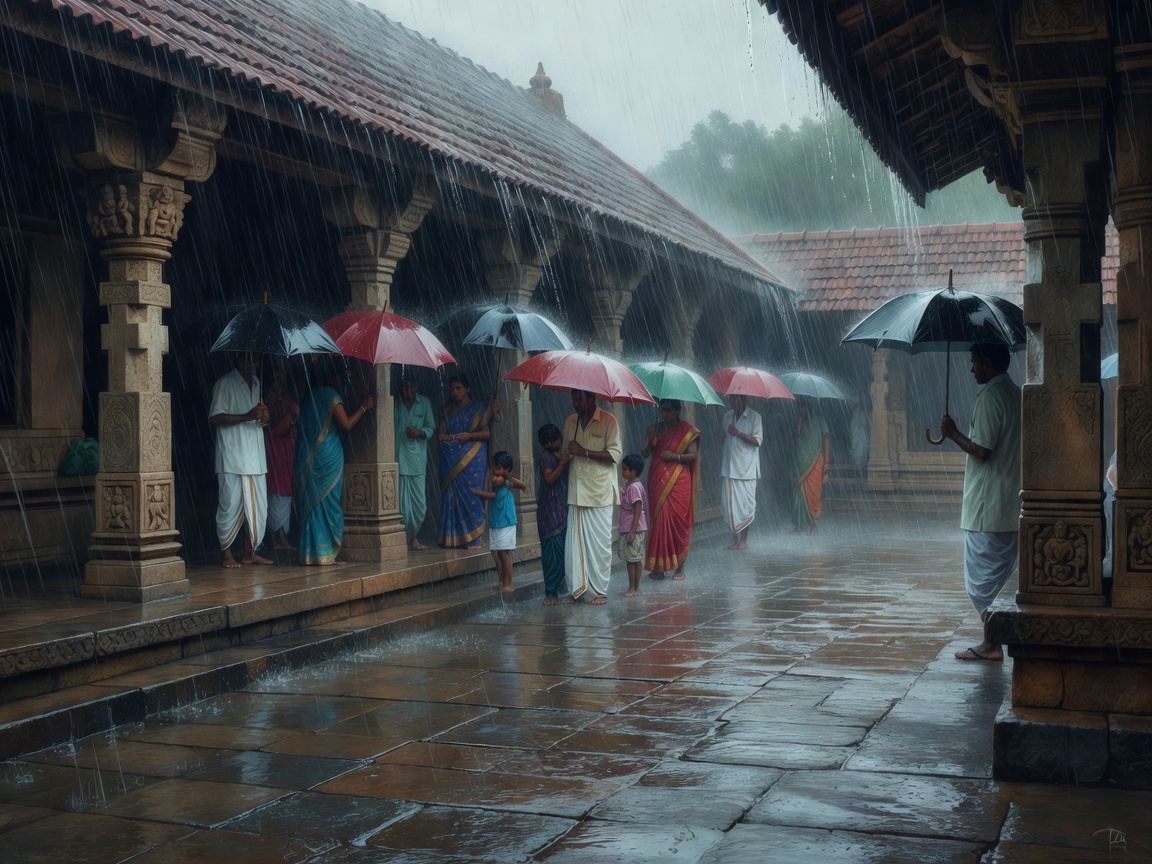
- South Asia — the monsoon arrives from the southwest and is generally the dominant seasonal event across much of India, Nepal and Sri Lanka, affecting overland travel, trekking access and river levels significantly while it's active.
- East Asia — countries such as Japan, South Korea and Taiwan have four distinct seasons, with a typhoon season affecting coastal and southern areas for part of the year and snow closing some mountain passes and rural roads in winter.
- Central Asia — a continental climate with hot, dry summers and cold winters; spring and autumn are generally the more comfortable shoulder seasons for overland travel along routes such as the historic Silk Road corridor.
Matching Route Timing To Season
- Mark the wettest and coldest months for every region your route touches, using the general patterns above as a starting point.
- Sequence the trip to follow the dry or shoulder season across regions where that's realistic, rather than fighting the weather on a fixed schedule.
- Where the route makes that impossible — because visa timing or flight availability forces a region into its wet season — build extra slack into the transport plan for that stretch, since flooding, landslides and cancelled ferries are all more likely during it.
Cultural Considerations That Affect Planning
A handful of everyday customs are worth building into your expectations rather than discovering as a surprise. Many religious sites across Asia expect shoulders and knees covered and shoes removed before entering, and carrying a light scarf or trousers you can change into saves having to buy something on the spot. Greeting customs vary by country — a slight bow or a pressed-palms gesture is more common in some places than a handshake — and it's worth learning the local norm for the specific countries on your route rather than assuming one gesture works everywhere. Bargaining is expected in many markets and with some transport, particularly where prices aren't displayed, but far less common or even considered inappropriate in fixed-price shops and modern retail settings, so read the context before opening with a counter-offer. Photography of people, particularly at religious sites or in more conservative areas, generally goes better when you ask first rather than assuming it's fine because no one's objected yet.