Accommodation And Food Choices
Where you sleep and what you eat shape the day-to-day texture of a long trip more than almost anything else on this site. Both sit on a ladder running from very basic to very comfortable, and the right point on that ladder changes leg by leg rather than staying fixed for the whole trip.
The Accommodation Ladder
A dorm bed in a hostel is the cheapest option and the most social, since shared rooms put you in direct contact with other travellers moving through the same region. A private room in a guesthouse or homestay costs more but gives you a door that closes, which matters after a stretch of dorm rooms or overnight buses. A mid-range hotel adds consistency — a private bathroom, reliable hot water, sometimes air conditioning as standard rather than as an upgrade. A resort or boutique property sits at the top of the ladder and suits a deliberate stop for rest rather than constant use across a long trip. None of these is "correct" for the whole journey; most long trips move up and down the ladder depending on the leg, the budget for that stretch, and how tired you are.
Matching Accommodation To The Leg
In high-turnover arrival cities, and around festivals or major public holidays, booking ahead matters, because rooms in the areas you'd actually want to stay in can fill completely. In smaller towns, particularly across parts of Southeast Asia and Nepal where backpacker infrastructure is well established, turning up and inspecting a room before committing is still a normal way to travel, and it often gets you a better room for the same price than booking blind online. The trade-off is time: walking between a few guesthouses to compare takes longer than booking from your phone the night before, so it suits arrivals earlier in the day rather than a late one.
Homestays And Local Guesthouses
A homestay puts you in a spare room within someone's home rather than a purpose-built guesthouse, and it's a common way to stay in villages along trekking routes — Sapa in northern Vietnam and villages along Nepal's trekking corridors are both places where this is well established. It generally means simpler facilities than a hotel but a much closer view of daily life in the place you're visiting. In Japan, a ryokan is a traditional inn with tatami-mat rooms, futon bedding, and often a shared or private bathing area, and staying in one is a distinctly different experience from a standard hotel room, worth building into a Japan leg specifically rather than treating as interchangeable with any other type of accommodation.
Reading Reviews And Listings Critically
Online listings and reviews are useful but uneven, and a few checks catch most of the misleading ones.
- Check that reviews cluster recently rather than being dominated by ones several years old — a property can change ownership, condition or management in the meantime.
- Cross-check the stated address against a map service to confirm it actually sits in the neighbourhood the listing claims, since some listings use a nearby landmark rather than their real location.
- Look for reviews mentioning the specific amenities you actually need — a genuinely hot shower, a mosquito net, working wifi — rather than trusting a generic badge or star rating alone, since those often measure something else entirely.
Eating Well And Safely
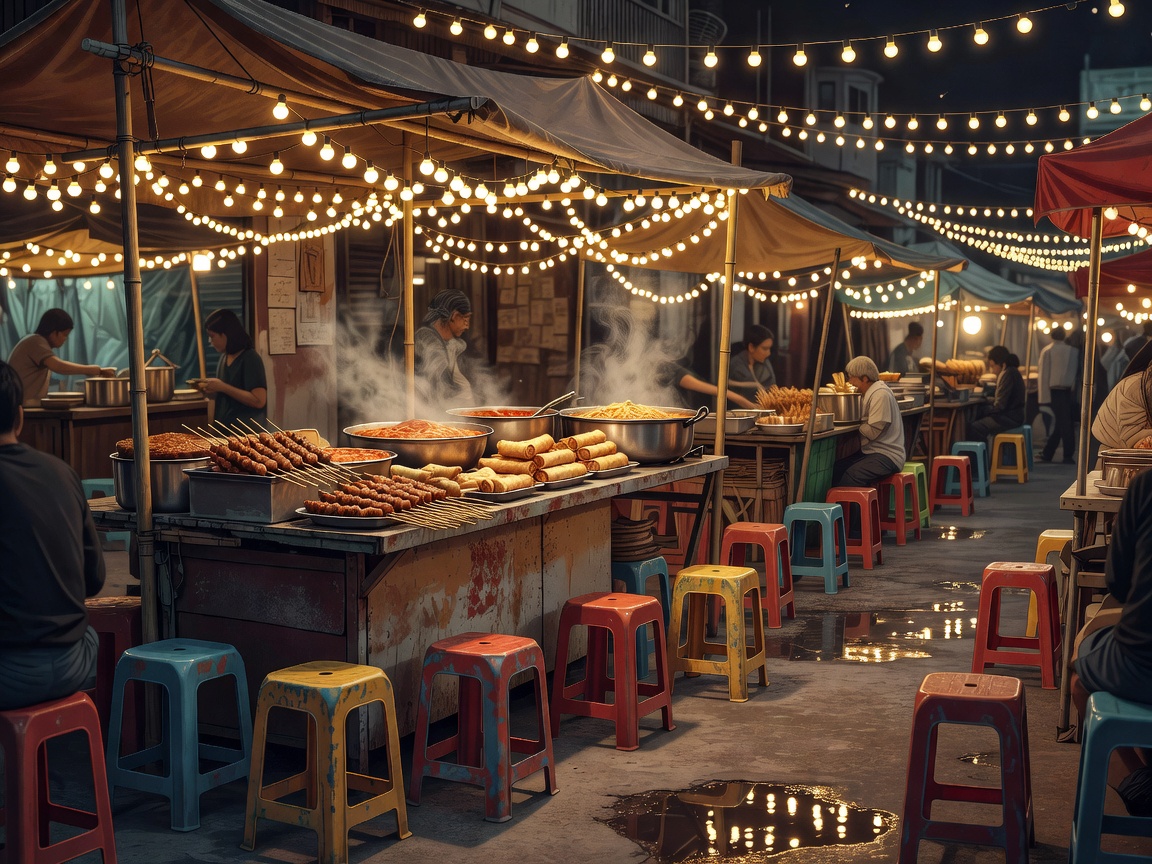
Street food and night markets are where a lot of the best and cheapest eating happens across much of Asia, and a stall with a long queue of local customers and food cooked to order in front of you is generally a safer bet than one sitting half-empty with food pre-made and left standing. Hawker centres — the term used in Singapore and Malaysia for large halls of independent food stalls under one roof — offer a similar experience with a bit more shelter and seating. Local eateries away from the main tourist strip usually cost less and often serve better food than restaurants explicitly aimed at visitors, though the trade-off is a menu that may not be translated. Water safety is worth taking seriously in a general sense: stick to bottled or properly treated water for drinking, and be more cautious with tap water, ice and raw produce washed in it, particularly early in a trip before your system has adjusted; for anything beyond general caution, a travel health professional is a better source than any guide.
Dietary Needs On The Road
How easy it is to eat vegetarian, vegan, halal or kosher varies hugely by country. India has an extensive and well-established vegetarian food culture, making it one of the easier places on a long Asia route to eat meat-free without constant compromise. Areas with a strong Buddhist tradition often have vegetarian options around temples and during particular observances. Halal food is widely available across Muslim-majority countries and in areas with significant Muslim populations elsewhere in the region. Wherever your needs sit, learning a handful of key phrases in the local language, or carrying a translated card explaining them, tends to work better than relying on English or on symbols alone, especially away from major tourist areas.