Budgeting For A Long Trip
A daily burn rate is the average amount you spend per day covering board, food, local transport and small incidentals — not counting the big one-off items that sit outside your everyday spending. Getting this figure right, and keeping it separate from the one-off costs, is the core of budgeting for a long trip.
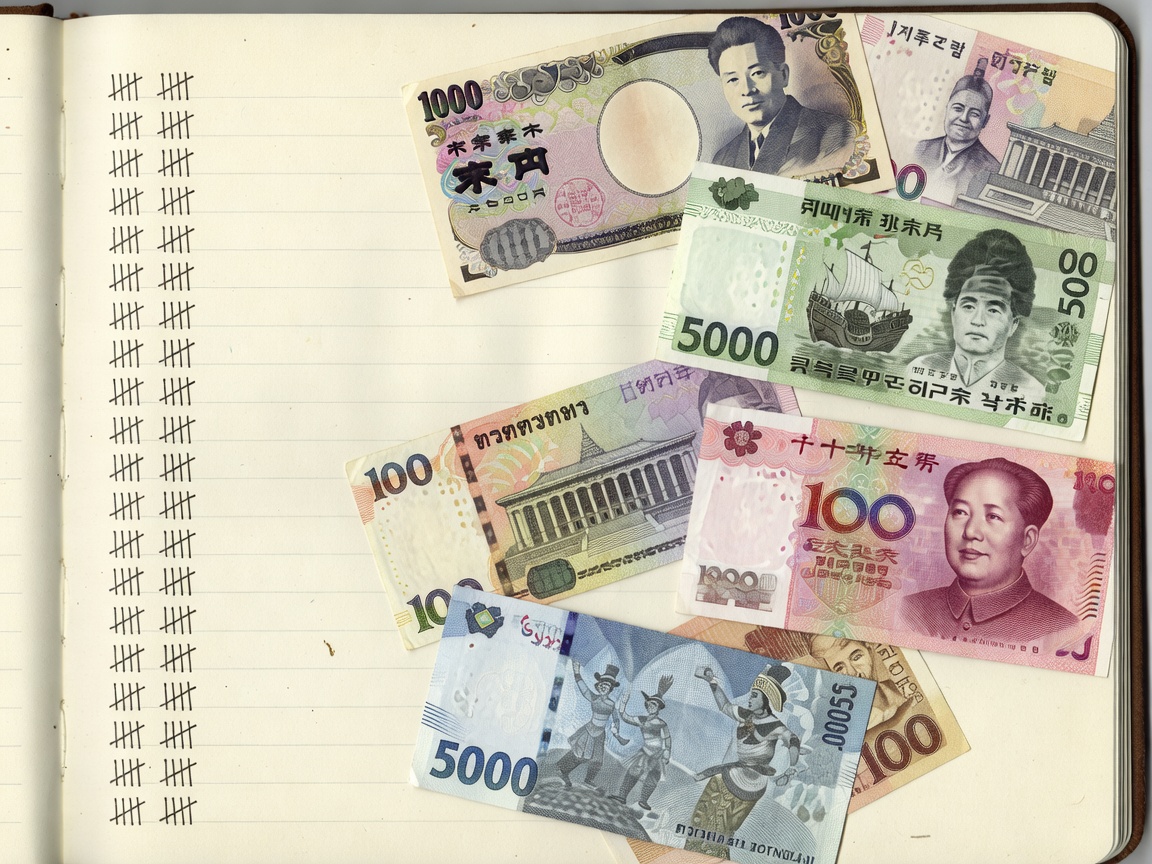
Separate Big-Ticket Items From Daily Spend
Before you calculate a daily average, pull out everything that isn't really a daily cost: international flights, travel insurance, visa fees, any gear bought specifically for the trip, and pre-booked multi-day tours such as a trek or a liveaboard boat trip. These need their own line in your plan and shouldn't be blended into the number you use to estimate how much a week on the ground costs, because doing so distorts the daily figure in ways that make it useless for predicting how long your money will actually last.
Cost Bands By Category
Rather than fixed prices, which shift by country and season, it's more useful to think in bands. The table below describes what changes as you move from a lean budget approach to a more comfortable one — the point isn't which band is "correct", but understanding what you're actually paying for as you move up.
| Category | Budget | Mid-Range | Comfort |
|---|---|---|---|
| Accommodation | Dorm bed or basic shared room | Private room in a guesthouse or hotel | Hotel or boutique property with more amenities |
| Food | Street stalls and local canteens | Casual sit-down restaurants | International or higher-end restaurants |
| Transport | Public buses and shared transport | Occasional private car or driver | Domestic flights and private transfers |
| Activities | Free sights and self-guided walks | Paid entry sites and a handful of guided tours | Multi-day guided tours and premium experiences |
Building A Working Daily Average
The average you set before leaving home is a guess. Refine it once you're actually travelling.
- Track a sample week once you're moving to see your real pattern, rather than relying purely on the estimate you made from home.
- Weight the average toward the more expensive countries on your route rather than blending everything into one number, since a single blended figure hides large regional swings and can leave you short exactly when you reach the pricier leg.
- Recalculate after crossing into a new region rather than carrying the old figure forward — costs in, say, Japan and costs in Nepal are different enough that the same daily number won't serve both well.
Cash, Cards And Contingency
Card acceptance varies enormously between cities and rural areas, so carrying some cash — including a widely accepted currency, since certain visa fees and border crossings expect payment in one — remains sensible even where cards work in the main tourist centres. ATM withdrawal fees and unfavourable exchange rates both erode your budget quietly, so it's worth comparing a couple of options for withdrawing and exchanging money rather than defaulting to whichever machine is nearest.
Set aside a contingency reserve worth several days' average spend and treat it as untouchable except for genuine emergencies — a missed connection, an unplanned medical visit, or a lost item that needs replacing. Knowing it's there, and not counting it as available money, changes how calmly you handle the moment it's actually needed.
Watching Spend Without Obsessing
Checking your spending weekly, rather than tallying every purchase daily, tends to hold up better over a long trip — daily tracking is easy to abandon after a few tired weeks, while a weekly check keeps you broadly on course without turning the trip into a running accounting exercise. Watch in particular for cost creep near the end of a trip, when tiredness and a sense that "it's nearly over anyway" both push people toward pricier choices than they made earlier on.